
Most people perceive the air conditioning system as something simple and obvious. The air cools down, enters the room and makes your stay comfortable. Thinking usually ends at this level. However, a complex ventilation system is hidden behind the walls and ceilings, which directly affects the indoor air quality.
The air ducts are constantly working. They don’t self-clean, they don’t “reset”, and they don’t relax. Once anything enters the ventilation ducts, it remains there for a very long period. Dust, allergens, microorganisms, and moisture gradually accumulate, forming a hidden source of air pollution.
Why is Duct Pollution a Normal Process, Not an Exception
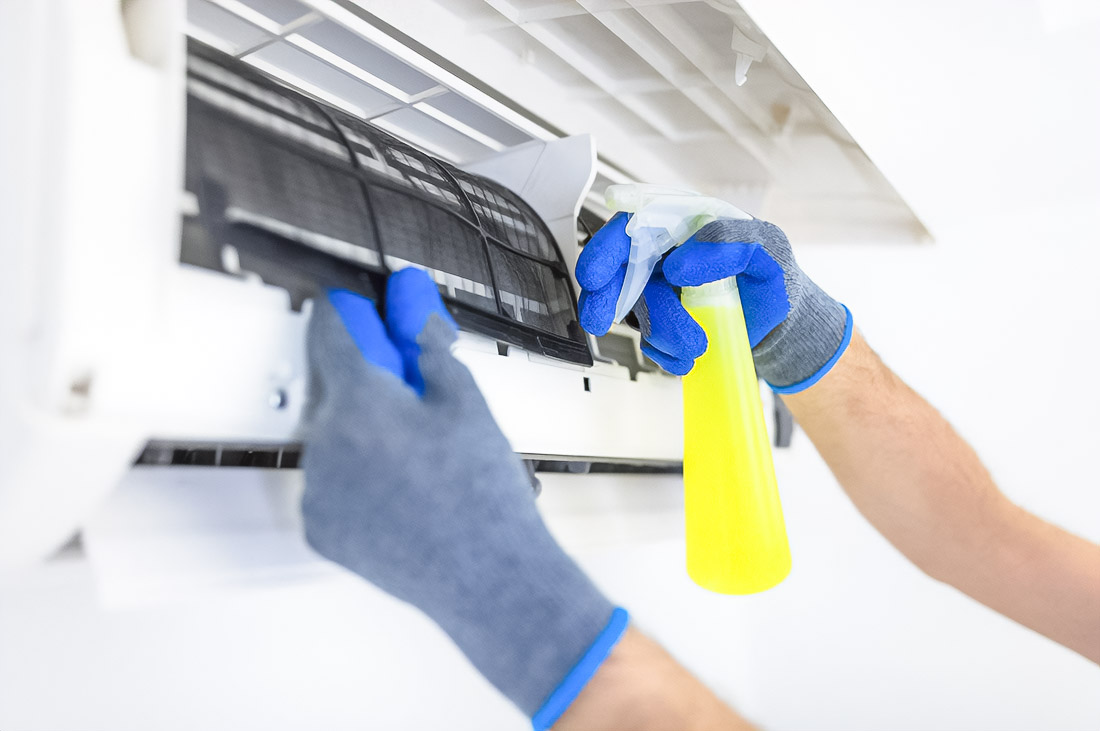
Even a perfectly clean room is not protected from ventilation pollution. Dust is formed daily. It consists of microparticles of skin, tissue fibres, organic residues and animal hair. These particles freely circulate in the air and are inevitably drawn into the air conditioning system.
Filters retain only a part of the contamination. The rest passes on and settles inside the ducts. Over time, the dust layer thickens, mixes with moisture and turns into a stable environment for microorganisms.
Humidity has a unique function. Condensation develops inside the ventilation system while the air conditioner is operating. There is a much greater chance of mould growth if the humidity level is 60–65% or higher. Spores of mould readily adhere to interior surfaces and start to propagate throughout the system.
This is why a.c duct cleaning Dubai services are often recommended not as a one-time solution, but as part of long-term indoor air management.
What Exactly is Hidden Inside the Ventilation Ducts

The interior of the ducts is rarely empty. Most often, a complex mixture of pollutants is found there. It has been formed over the years and is constantly being updated.
Inside the ventilation, accumulations:
- Dust and small particles
- Allergens and pollen
- Mold and mildew spores
- Bacteria and microorganisms
- Organic residues
- Insect tracks
- The products of their vital activity
All these elements don’t just lie still. They participate in the constant recirculation of air. Each start of the air conditioning system brings them back to the living space.
Indoor Air and Health Effects

Air quality directly affects a person’s well-being. This influence is not always immediately apparent. More often, it accumulates gradually and becomes a background condition.
Indoor air pollution is believed to be two to five times higher than outdoor air pollution. Air ducts are essential to this procedure. They turn into a storehouse of contaminants that repeatedly enter the respiratory system.
Extended exposure to air pollution is linked to:
- Increased allergic reactions
- Asthma exacerbation
- Irritation of the respiratory system
- Chronic fatigue
- Headaches
- Decrease in concentration
- Deterioration of sleep
Children and the elderly are especially sensitive. Their respiratory and immune systems react faster and more strongly. Even moderate biological air pollution can cause regular symptoms.
Odours often become the first signal of a problem. A musty or moldy odour during operation of the air conditioning system almost always indicates microbiological contamination inside the ventilation. At this stage, professional AC cleaning service Dubai interventions become especially relevant.
How do Polluted Air Ducts Affect the Operation of the System?
Duct pollution is not only a medical issue but also a technical issue. Dust and debris gradually constrict the ventilation ducts. The airflow becomes less stable and less uniform.
The resistance must be made up for by the air conditioning system. It uses more energy, operates longer, and switches on more frequently. Energy use and cooling effectiveness are directly impacted by this.
Practice shows that polluted air ducts can increase energy consumption by about 15-25%. At the same time, the load on fans, heat exchangers and other system components increases. Equipment wear is accelerated, and the service life is shortened.
Mold as a Systemic Threat to Ventilation
Mold develops where there is moisture, heat, and organic particles. Ducts are often ideally suited to these conditions. The condensate that settles on the walls becomes a breeding ground for the fungus.
The danger of mold lies in its invisibility. The spores are not visible to the eye, but they move freely with the air. They enter the premises, settle on surfaces and are inhaled by humans.
Even small pockets inside the ventilation can eventually lead to a deterioration in air quality and the appearance of chronic symptoms.
Why Regular Duct Cleaning is Really Important
Duct cleaning solves several tasks at once. It removes accumulated impurities, reduces the concentration of allergens and microorganisms, and restores normal air flow.
Regular maintenance allows you to:
- Reduce the level of dust in the air
- Reduce the risk of mold growth
- To stabilize the system operation
- Reduce energy consumption
- Extend the service life of the equipment
The recommended deep cleaning interval is from one to three years. More frequent maintenance is required in case of high humidity, presence of animals, after repairs or in case of allergic symptoms.
Cleaning and Maintenance as a Single Process
Duct cleaning does not work in isolation. Without regular maintenance of filters, drains, and heat exchangers, pollution returns faster. The system starts to recycle dust and moisture again.
Only an integrated approach makes it possible to maintain stable air quality and normal ventilation operation.
The ducts remain invisible, but their influence is felt daily. Through the air, breathing, and general well-being. Polluted ventilation gradually reduces the quality of life and efficiency of the air conditioning system.
Clean air ducts are not a matter of appearance. This is a matter of health, comfort and sustainable operation of the system. It all starts with the air, which passes its first path inside the ventilation ducts.

Skateboarder, ninja, band member, International Swiss style practitioner and proud pixelpusher. Acting at the crossroads of modernism and intellectual purity to develop visual solutions that inform and persuade. I’m fueled by craft beer, hip-hop and tortilla chips.