Family & wellbeing
Why sport belongs at the centre of childhood in the UAE
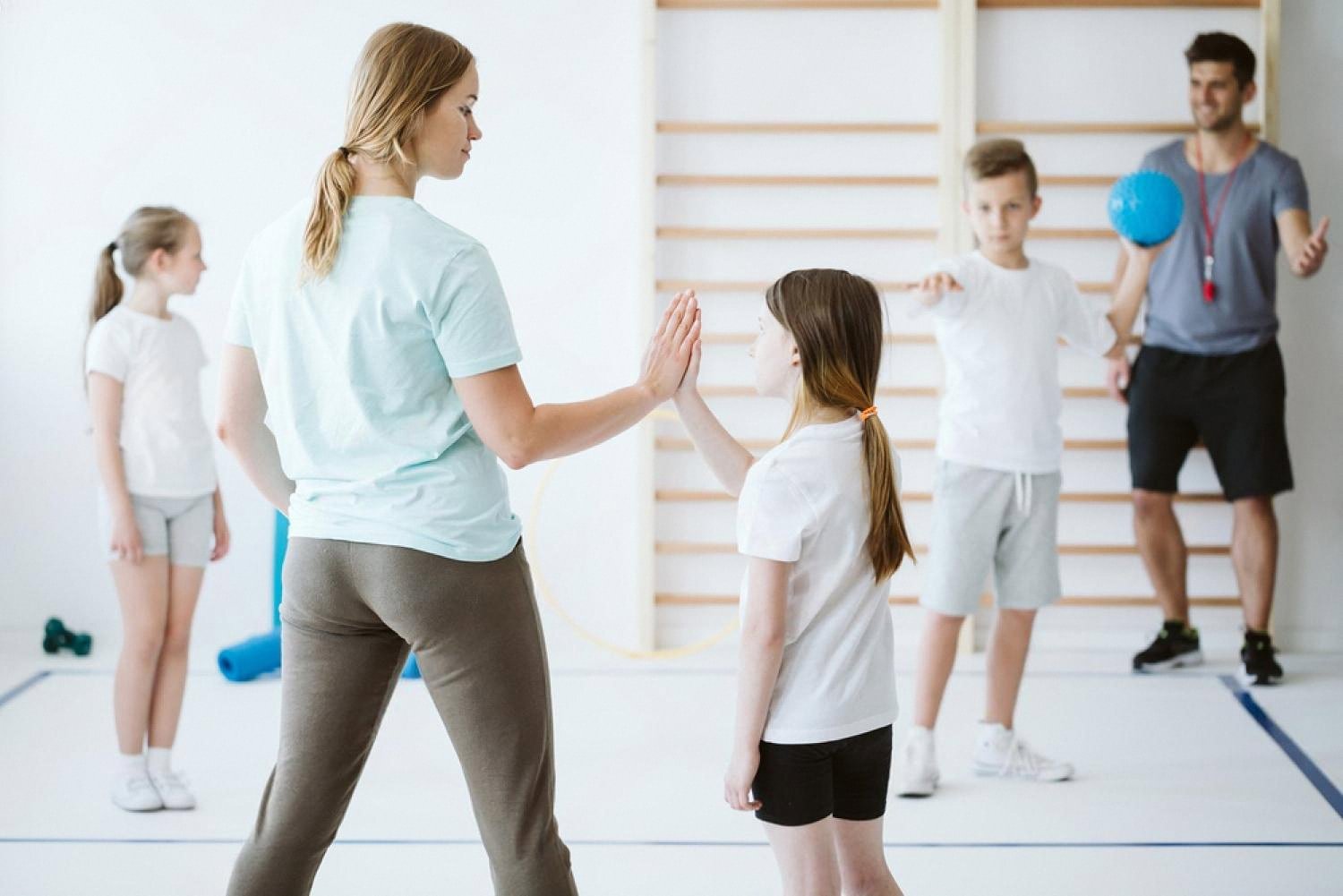
Children in the Emirates grow up between air-conditioned classrooms, screens, and long summers indoors. Regular sport is one of the few things that pulls all the threads of childhood together: body, mind, friendships, and habits. This guide breaks down what it actually gives them, and how families can build it into the week.
Five wins children get from regular sport
- A stronger, more resilient body. Better endurance, flexibility, posture, and steady weight during the years of fastest growth.
- A daily rhythm. Training slots teach children to plan their day and protect sleep, homework, and rest.
- Goal-setting that transfers to school. Chasing a personal best is the same skill as raising a maths grade.
- Team behaviour. Passing, waiting your turn, and celebrating someone else’s success are learned, not born.
- A stronger immune system. Active children tend to catch fewer minor illnesses and recover faster.
Body
Physical growth: more than just burning energy
Between the ages of six and fourteen, bones lengthen, muscles reshape, and posture is set for life. Sport during this window strengthens the muscles that hold the spine straight after long school days at a desk, and improves the coordination that later makes cycling, driving, and even handwriting easier.
The World Health Organization recommends at least 60 minutes of moderate to vigorous activity every day for children and adolescents. In the UAE climate, that often means splitting activity between an early-morning walk, an indoor class, and evening play once the heat drops.
Discipline and time: the quiet benefit parents notice first
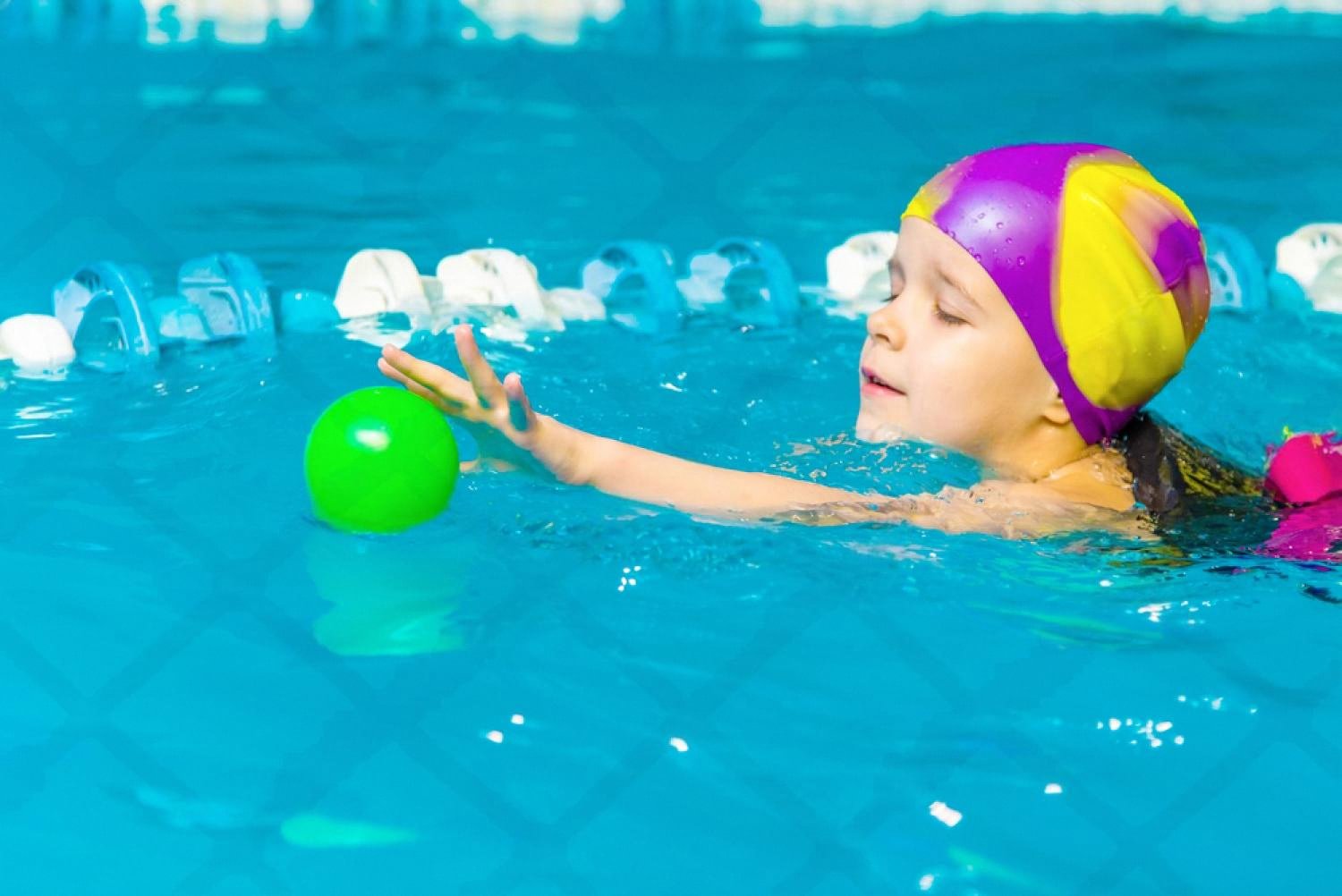
Ask any parent whose child joined a swim squad or a football academy, and they will tell you the same story: the child who could not find their school bag now packs a kit bag the night before. A fixed training schedule forces children to structure the rest of the week around it. Homework gets done earlier. Screens close sooner. Bedtimes hold.
This shows up in school reports. Many CBSE schools in Ajman and across the UAE now treat physical education as a core subject rather than a break between lessons, precisely because staff see the link between sport habits and classroom focus. A child who can push through the last lap of a 400m also tends to push through the last question of a paper.
Mindset
Chasing a result: the same skill in the pool and at the desk
Sport gives children a measurable target that is entirely their own: shave a second off the 50m freestyle, jump one rung higher, hold a plank for another ten seconds. Progress is visible, and so is the price of skipping practice.
- Setting a small, honest goal for the month
- Tracking effort, not just outcome
- Learning that a bad day is not a bad career
Team sport and the social muscle
Individual sports build grit. Team sports build something harder to teach: the willingness to lose personal glory for a shared result. In football, basketball, or cricket, the child who passes to the better-placed teammate wins the coach’s respect faster than the one who tries every shot alone. Over a season, that habit becomes a personality trait.
Team practice is also where children meet peers from outside their class and, in the UAE, often from other nationalities. They learn to communicate across accents, to accept a captain their own age, and to argue about a decision without falling out afterwards. These are workplace skills, learned twenty years early.
Choosing an activity that fits your child, and the climate
The UAE has more options than most families realise. Swimming is almost universal and works year-round because pools are indoor or shaded. Football, padel, gymnastics, karate, and basketball academies operate in every emirate. For calmer children, archery, table tennis, and horse riding all suit the climate and reward focus over aggression.
The best sport for a child is usually the one they will still want to attend in week eight. Let them try two or three before committing. Talk to the coach, not just the sales desk. And check the class size: eight children per coach is a very different experience from twenty-five.
Frequently asked questions
At what age should a child in the UAE start organised sport?
Most academies in the UAE accept children from around age four for introductory classes such as swimming, gymnastics, or football skills. Before that age, unstructured play, running, climbing, and cycling are more valuable than formal training. The goal in the early years is coordination and enjoyment, not performance.
How do we keep children active during the hot summer months?
Shift outdoor activity to early morning before 8am or after sunset. Use indoor options during the day: swimming pools, air-conditioned football halls, trampoline parks, ice rinks, gymnastics gyms, and martial arts studios.
Hydration matters even indoors. Send a labelled water bottle to every session and encourage small sips before, during, and after training.
Will sport affect my child’s school performance?
Regular moderate exercise usually improves school performance rather than harming it. Active children tend to sleep better, concentrate for longer, and manage stress around exams more calmly. The risk appears only when training becomes so intense or so late in the evening that homework and sleep suffer. A weekly schedule review with your child usually catches this early.
Individual sport or team sport, which is better?
Both, if possible. Individual sports like swimming, tennis, or athletics build self-reliance and clear goal-setting. Team sports like football, basketball, or netball build communication and shared responsibility.
Many UAE families combine one of each: for example, swimming twice a week for fitness and technique, and football once a week for social play.
How much does organised sport for children typically cost in the UAE?
Costs vary widely by emirate, sport, and academy. School-run clubs are usually the most affordable option and use facilities parents already pay for through tuition. Private academies charge more but often offer better coach-to-child ratios and progression pathways. Ask about trial classes, sibling discounts, and term-length packages before committing.
What are the warning signs that a child is doing too much sport?
Watch for persistent tiredness, a drop in appetite, frequent minor injuries, complaints of joint pain that do not settle within a few days, falling grades, and a sudden reluctance to attend training a child previously enjoyed. Any two of these together is a signal to cut back, add rest days, and check in with the coach and, if needed, a paediatrician.

Skateboarder, ninja, band member, International Swiss style practitioner and proud pixelpusher. Acting at the crossroads of modernism and intellectual purity to develop visual solutions that inform and persuade. I’m fueled by craft beer, hip-hop and tortilla chips.